LEADING PRODUCER AND SUPPLIER OF PRIMARY AND RECYCLED AGGREGATES FOR OXFORDSHIRE AND THE SURROUNDING COUNTIES.
BBC News Feature: Dewars Farm Quarry’s Dinosaur Trackway Discovery
October 2025
Following the successful excavation at one of our sites last summer, which featured on BBC Two’s Digging for Britain, further filming took place earlier this year.
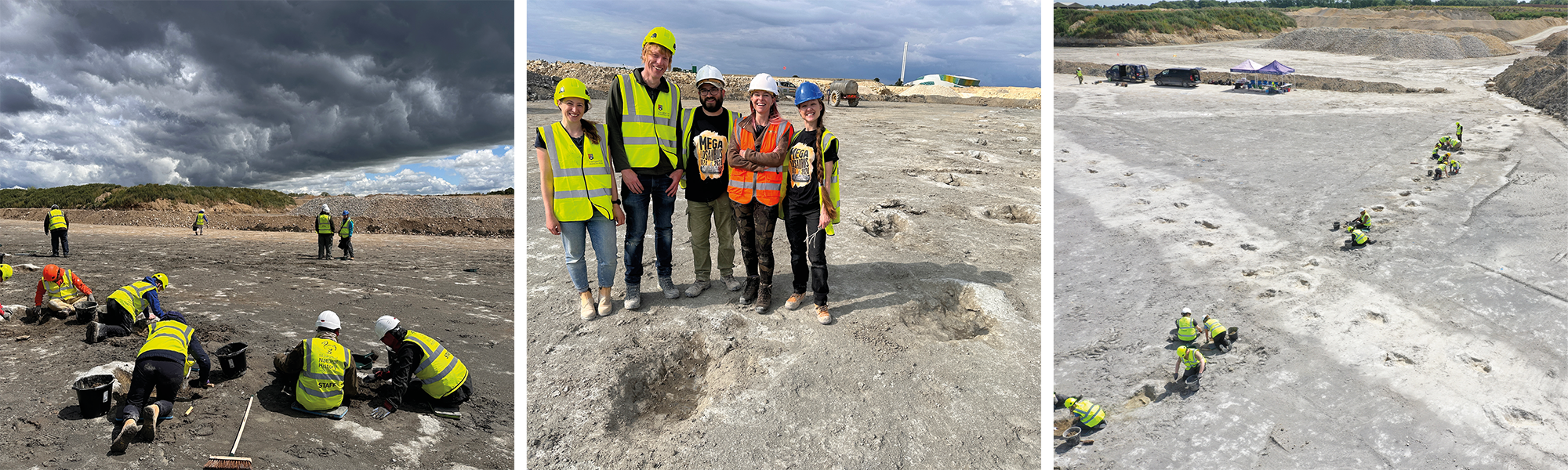
During a baking hot week this summer, we welcomed more than 100 experts from the universities of Oxford, Birmingham and Liverpool John Moores to Dewars Farm Quarry.
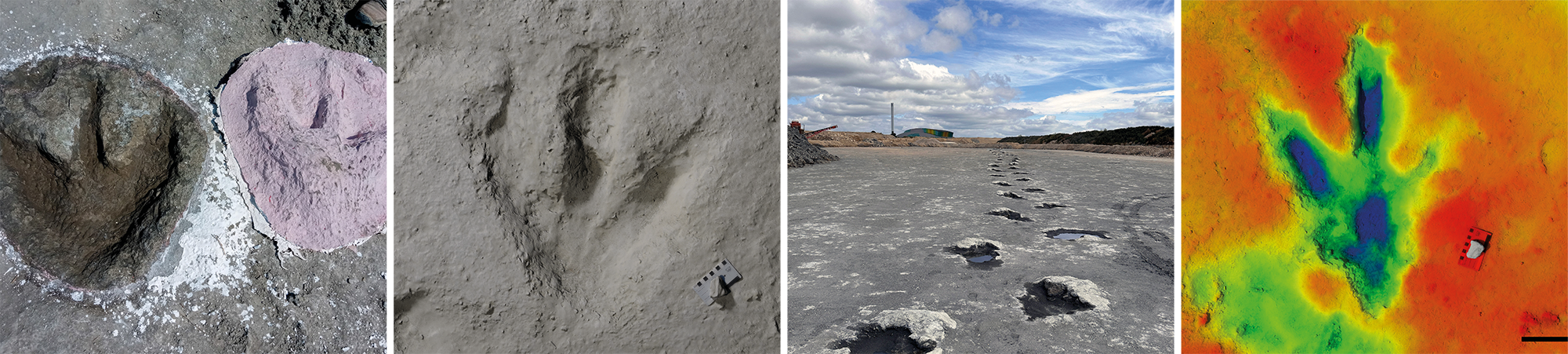
A remarkable discovery was unearthed as palaeontologists revealed the second longest sauropod dinosaur trackway in the world and the longest in Europe. Measuring an incredible 220 metres from the first to the last footprint, the trackway was made by sauropods, probably Cetiosaurus, a four-legged, long-necked, plant-eating dinosaur known to have lived in this area around 166 million years ago.
This extraordinary finding, now featured on BBC News, highlights the critical role that mineral extraction and quarrying play in supporting palaeontological and archaeological discovery, and in deepening our understanding of both natural and human history.
The discovery was only made possible thanks to Smiths’ careful removal of limestone during ongoing quarrying operations. Working alongside international researchers, our team ensured that the excavation could take place safely while continuing to deliver construction materials from the site.
Please note that Dewars Farm Quarry is an operational quarry and therefore not open to the public.
Smiths are proud of our long-standing relationship with the University of Oxford and we would like to thank all the universities involved in this important research. We remain committed to our guiding principles: acknowledge the past, respect the present and invest in the future.
See the BBC News article here
You can also read our coverage below from the beginning of the year.
New Dinosaur Trackway Discovery Unveiled in Oxfordshire
January 2025
You may have seen this incredible discovery featured on the BBC: Ancient dinosaur footprints found in Oxfordshire. Unearthed at Dewars Farm Quarry in 2023, this significant find sheds light on the lives of dinosaurs 166 million years ago during the Middle Jurassic Period. The discovery includes some of the most extensive and detailed dinosaur footprints uncovered in the UK in over 25 years, offering fascinating insights into these prehistoric giants and the environment they inhabited.
A Discovery Decades in the Making
The new tracks build on Oxfordshire’s rich dinosaur heritage. In the late 1990s, Ardley Quarry, near Bicester, revealed more than 40 trackways of sauropod and theropod dinosaurs, some stretching over 180 metres. Casts of some of these footprints can still be seen outside Oxford Natural History Museum for all to enjoy.
In 2023, a quarry worker at Dewars Farm spotted unusual patterns in the limestone, triggering an excavation that uncovered five trackways of incredible detail and length. Stretching up to 150 metres, these tracks offer unprecedented insights into dinosaur locomotion and behaviour.
Meet the Dinosaurs
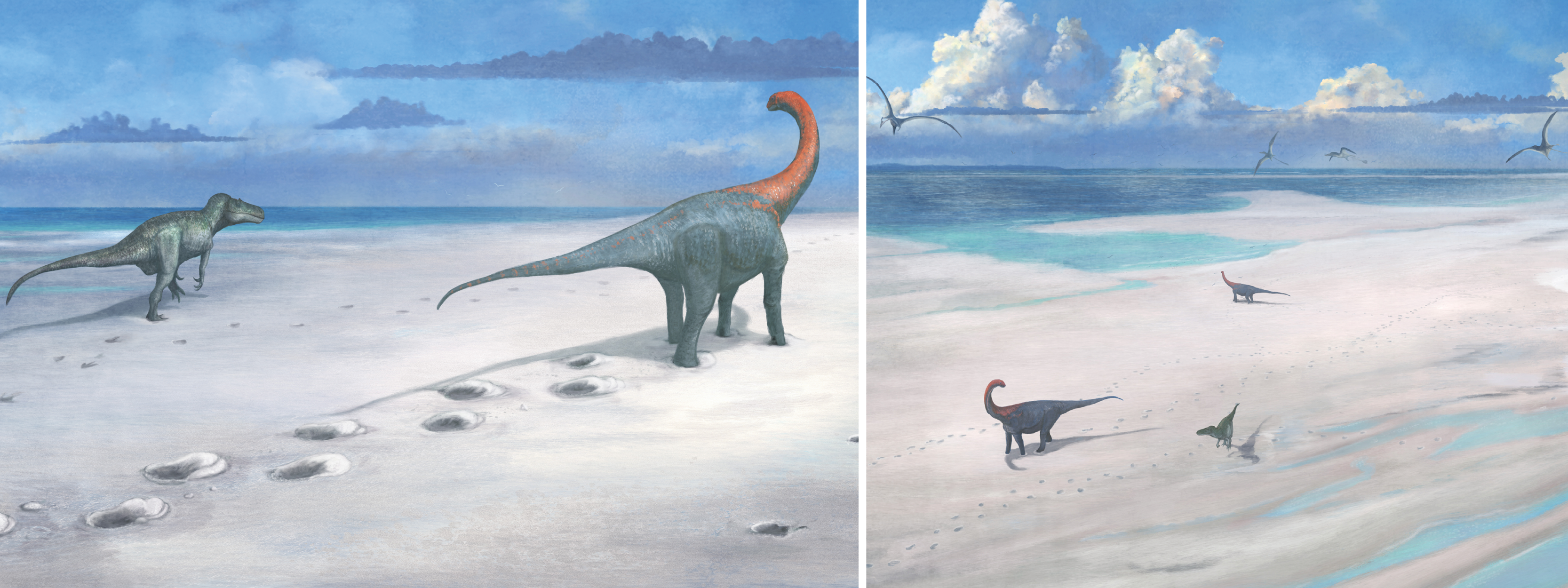
The footprints reveal the presence of two awe-inspiring species:
- Megalosaurus: The world’s first scientifically named dinosaur, discovered in Oxfordshire in 1824. Measuring up to 9 metres long and weighing over 2 tonnes, this fearsome predator left tracks 65 cm in length, with a stride length of 2.7 metres.
- Sauropods: Towering herbivores like Cetiosaurus, which reached 18 metres in length and weighed over 10 tonnes. Their tracks, measuring around 90 cm, suggest a leisurely walking speed of 5 km/h.
These discoveries also offer a glimpse into the Middle Jurassic world, when Oxfordshire was a tropical landscape of mudflats and shallow lagoons. The preserved footprints capture remarkable details, including the squelching deformation of the mud beneath the dinosaurs’ weight.
Science in Action
The excavation in June 2024 brought together over 100 scientists, students, and volunteers from the Oxford University Museum of Natural History, Oxford University, and the University of Birmingham. Supported by Smiths Bletchington, this collaborative effort used cutting-edge technology to create over 20,000 images, forming 3D models of the site and individual prints. These models allow researchers to study the dinosaurs’ movements, size, speed, and interactions with unparalleled precision.
Don’t Miss the Breaking Ground Exhibition
Unfortunately, Dewars Farm Quarry is an operational quarry and not open to the public.
The good news is that you can experience the awe of this discovery for yourself at the Oxford University Museum of Natural History’s Breaking Groundexhibition, supported by Smiths. This unique showcase brings together Megalosaurus fossils, high-resolution images, and 3D models of the tracks. Visitors will also gain insights into the modern technology that is revolutionising the study of ancient life. As part of this exhibition there is a talk being held at The Museum Of Natural History on the 30th January 2025 at 6pm (tickets from Museum Website) by Dr Emma Nicholls FGS and Dr Duncan Murdoch who both co-led on the excavation of the trackways at Dewars Farm Quarry.
Whether you’re a dinosaur enthusiast, a family looking for an inspiring day out, or simply curious about Oxfordshire’s prehistoric past, this exhibition is a must-see.
Explore the incredible Breaking Ground exhibition and step back in time to when dinosaurs roamed what is now Oxfordshire. Plan your visit today: oumnh.ox.ac.uk/breaking-ground.
Don’t miss this once-in-a-generation opportunity to see history preserved and brought vividly to life!